More wheels to reach more villages

Goducate’s work in Laguna, Philippines, is largely a rural work that reaches little villages which are spread out and rather difficult to reach. Previously, our workers had to share the use of one van or use public transport (public jeeps and motorbikes). This was highly inefficient and costly and hampered the progress of our work.

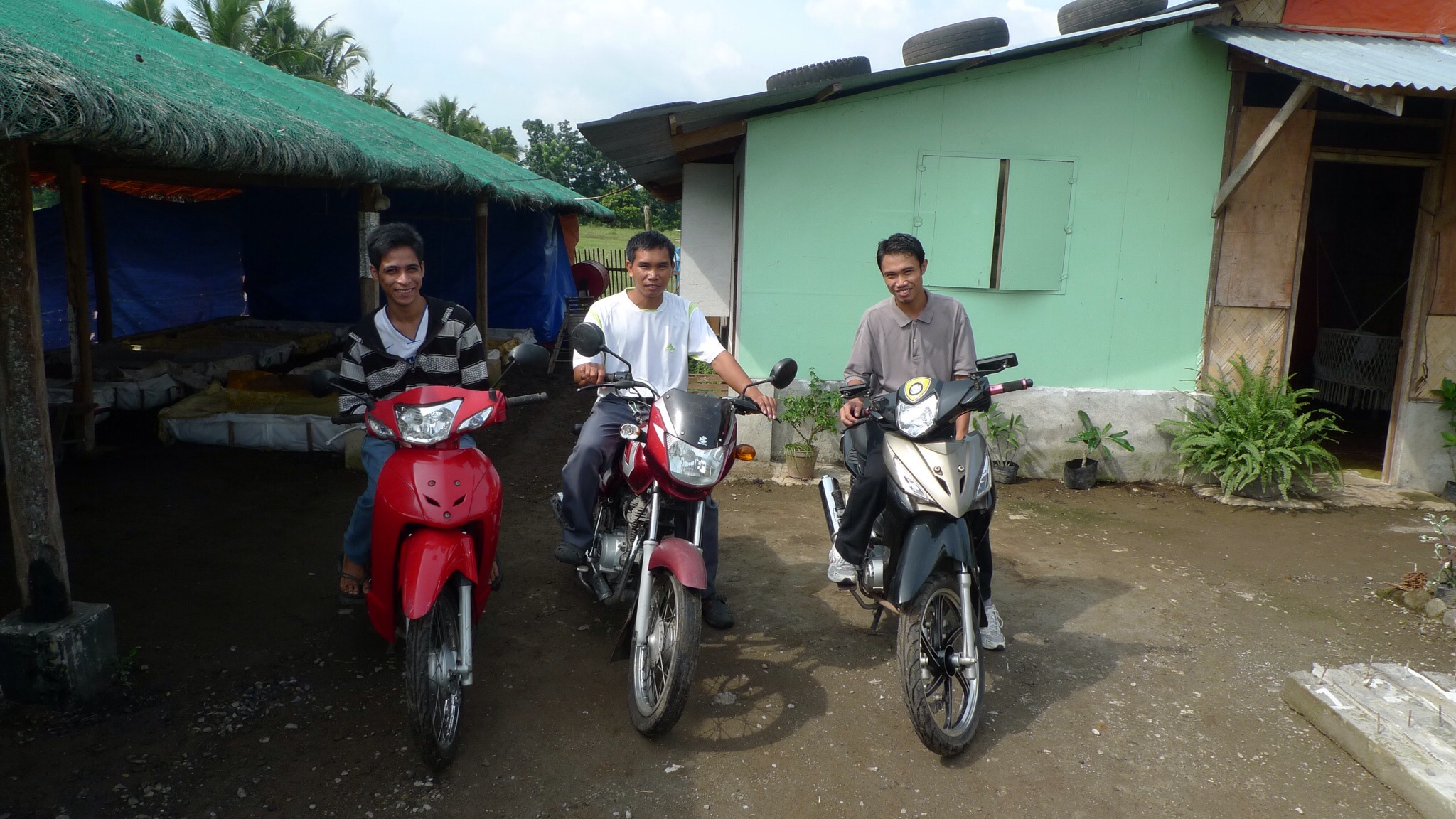
Recently, through the generous donations of some Goducate supporters, 3 motorcycles and one car was purchased. These additional “wheels” have enabled our workers to cover more villages to expand the work.

New Developments at Goducate Training Center

Goducate Training Center in Iloilio, The Philippines, continues being developed even as its pioneer batch of trainees undergo training.

As soon as the basic infrastructure (Phase 1A) was completed in April 2011, the pioneer batch of trainees began their training.

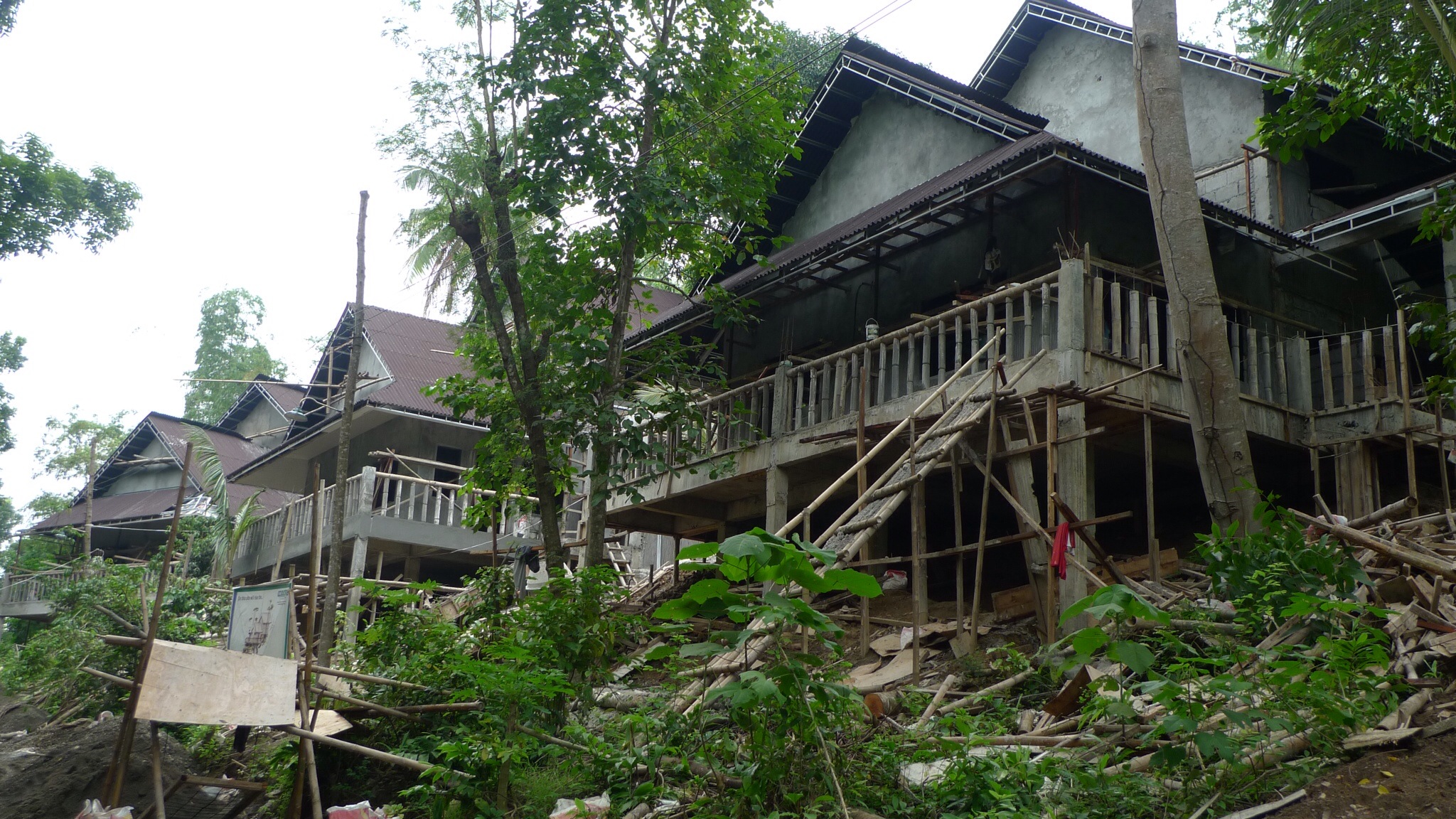
Since then, work has been going on on students’ dormitories and staff quarters. The target date for completion of these projects was this month. However, unusually heavy rains hampered construction work over the past 2 months and caused erosion problems in our impounding pond and some slopes around the site.

The typhoon season continues to bring in much rain, but we hope that the dormitories and staff house will be completed in 2 months’ time. After the rainy season is over, the main roads will be concreted.

We hope to be ready to take in a larger batch of about 50 students in 2012 and train them to help the poor to help themselves

The three new student dormitories
Faculty housing complex

Goducate Training Center’s Pioneer Batch Get Cross-Cultural Training

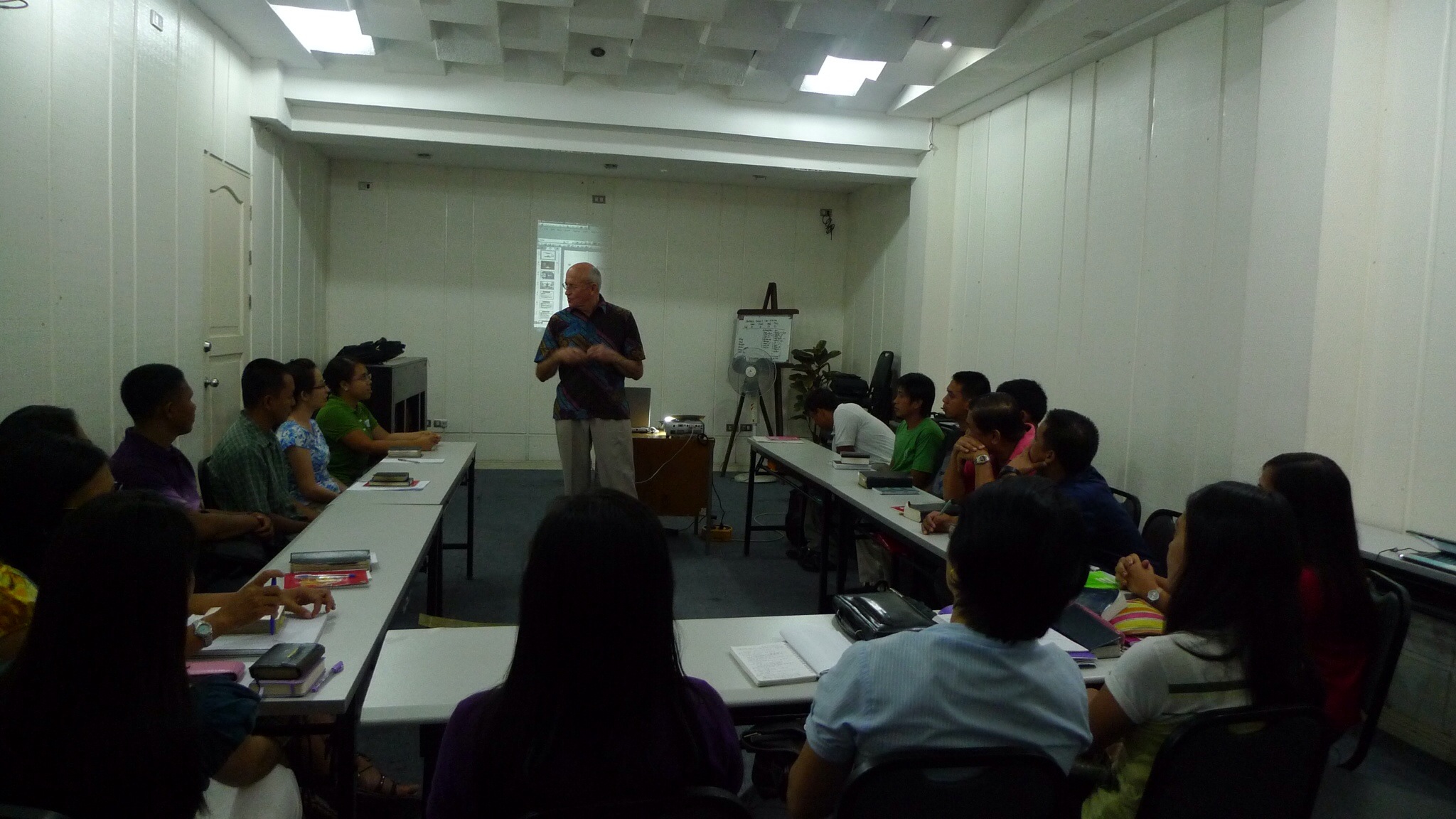
Okkie from South Africa teaching cross-cultural studies

Goducate Training Center in Iloilo, Philippines, has been training its pioneer batch of 20 over trainees since April.

The training includes: basic agriculture, sloping agricultural land techniques, teaching adult literacy, teaching English to speakers of other languages, counseling, driving, self-defence, cooking.

The lecturers come from different countries, backgrounds and disciplines. Cross-cultural training is essential because the workers may have to work abroad. If so, they need to quickly understand the people they work with, and more importantly, to be readily accepted by the new community.

The objective is to produce Goducate workers who can work among the needy to help them help themselves, not just at home but also anywhere where needed.


Okkie from South Africa teaching cross-cultural studies
Thomos from Indonesia teaching about Indonesian demographics and culture