For the past 3 months I’ve been in and out of Indonesia visiting educational institutions in different parts of Indonesia (Java, Sumatra ,and Batam).
Indonesia is one of the emerging economies of the world and there is a new sense of excitement and hope among Indonesians across the different social strata. I am especially impressed with the way that the Indonesians are focusing on education, rather than on merely exploiting their vast natural resources.
Indonesia is a vast nation with 17,000 islands and countless ethnic groups. Though I speak conversational Bahasa Indonesia and am able to converse with most Indonesians. I’ve come to the conclusion that it is very difficult for me, a foreigner, to really understand this amazing but bewildering nation.
I believe that there are many needy Indonesians who will benefit from Goducate’s “Go and Educate” and its “help them to help themselves” philosophy. Though Goducate has been in Indonesia for three to four years (testing out various educational-aid models), I believe that unless we have an Indonesian who understands his/her people and their current educational needs, we will never really be able to make a significant difference in this 4th most populous country in the world.
Goducate is in the process of finding such a key person who will help us to expand its operations in Indonesia. We look forward to the day when even children in the remotest Indonesian island will have the opportunity to reach his/her potential.
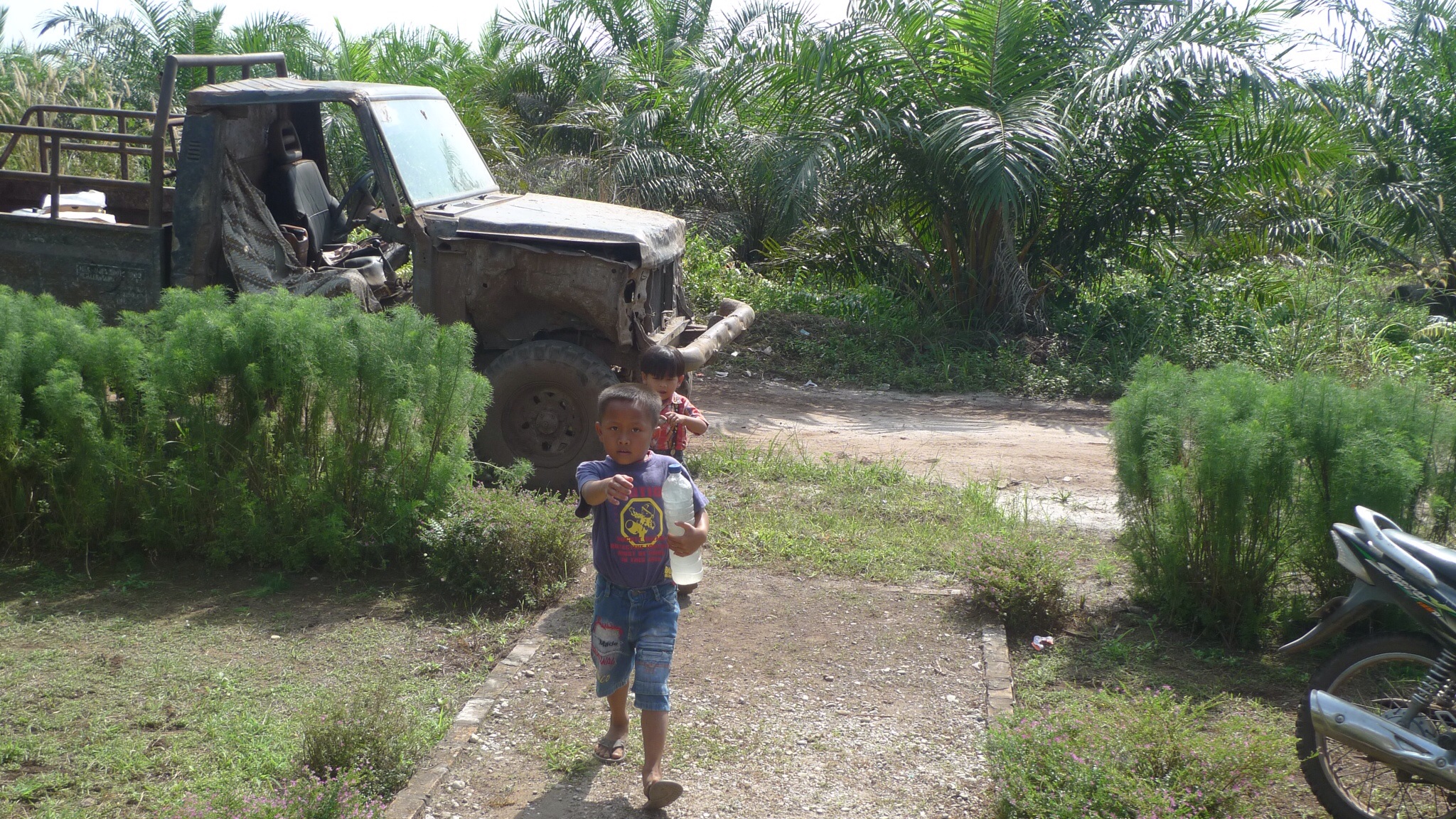
Who will give him a chance?With Sumatran school kids who receive financial assistance from an educational foundation
Weight loss is an almost always an engaging topic, even in China, where many people are sizes that are impossibly small. It’s a topic about which there are more myths and false ideas than one can imagine. I was trained as a nurse, and my studies demanded that I understand how nutrition and the body work together. I’m sometimes very surprised when I hear what some people believe about how they might be able to lose weight. Sometimes I’m concerned when I hear how little some say they are eating in hopes of dropping a few pounds…or kilograms.
Eating just a few calories
So when a friend asked me to join him in sharing about how to lose weight in a healthy way at LifePegs, I jumped at the opportunity. This would be a good chance to dispel some of the rumors that seem to be floating around. As I prepared for the teaching activity, I thought carefully about some of the comments I’d heard from my own students here in China. Most of the students who ask me for advice on how best to shed weight balk when I tell them that exercise is half of the formula. “It makes me too tired!” they say. I knew this could be an area to emphasize in our presentation.
My friend and I spoke with the students about the two most effective and healthy methods of losing weight and keeping it off: eating a balanced diet and doing cardiovascular exercise. We shared from two different angles, one of personal experience and one from a health-profession background. Some of the students acknowledged that they had learned the information before, yet admitted there was still a need for application of the principles. Many came with detailed questions for us.
“I’ve been working on losing weight, but I seem to be at a plateau in my progress”, one asked. “How can I push past the plateau?” We described the weight-loss process as a mathematical equation. If calories in are more than calories out, weight is retained. If total calories in are less than the amount of calories expended, weight decreases. The student was encouraged to continue with her exercise, and to add more to her routine to increase energy expenditure.
Others asked detailed questions about the type of exercise that should be done. Someone asked me after the presentation, “What about those who are genetically inclined to be heavier? Is there a difference in the way to lose that kind of fat?” My answer to him was that no matter where the fat comes from, fat is fat and it goes back to our previous mathematical equation: to lose weight, calories out must be less than calories in.
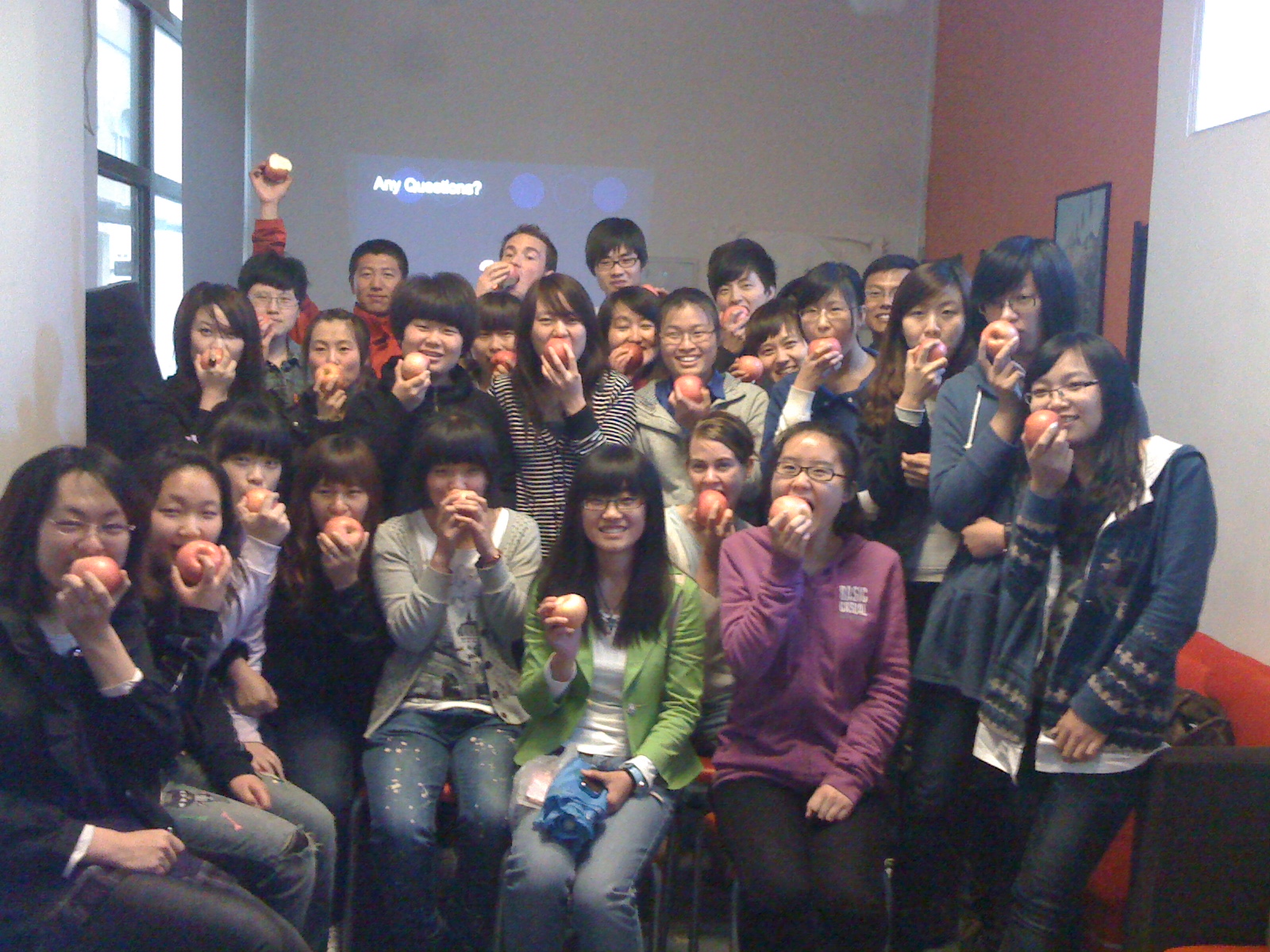
We didn’t just sit and talk the entire time. After sharing these principles, we involved the attendees in some activities to demonstrate to them that physical exercise can be fun. Healthy snacks were shared with each participant. And our personal stories about exercise proved to be a helpful point in the talk. Before I left, I chatted with a student who is also a good friend of mine. I shared about how I enjoy jogging for the positive emotional benefits it brings. “Tomorrow morning”, she said, “I’m going to get out my tennis shoes and go running”.
Last month, Dr Leslie Tay, Singapore’s popular food blogger organized another dinner in support of our kids in Sabah.
Dr Tay and his community of foodies have already visited Goducate’s literary centers in Sabah on two different occasions – and at the same time enjoyed Sandakan’s delicious seafood.
The ieatishootipost community “eats with purpose”. That community has organized
many eating sessions to raise support for needy people – and Goducate’s poor kids in Sabah are fortunate to be their “favorites”!
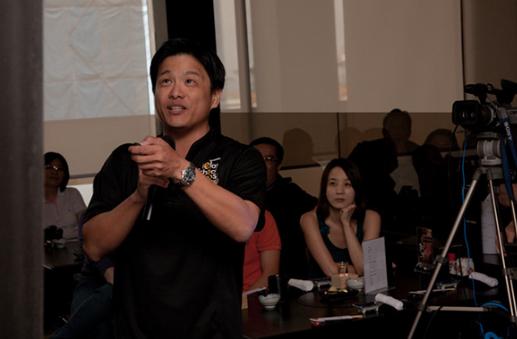
Dr Tay is a genuine foodie and often organises dinners that combine enjoyment of the finest food with support for a good cause. Last month, he chose Hokkaido Sushi (at M Hotel, Anson Road, Singapore) to educate, with the help of Chef Thomas Kok, his community on the fine points of sushi eating.
Hokkaido Sushi very generously contributed 30% of the night’s takings to Goducate (Sing $2040), and our faithful and generous supporter, MHC Asia, matched that contribution dollar for dollar – thus raising Sing $4080 for Goducate’s Literacy Centers in Sabah.
Next month, another group of ieatishootipost foodies will visit Sabah and see first-hand how their “makan with a mission” helps thousands of poor kids get an education.
Dr Leslie TayHaving fun learning about sushiChef Thomas Kok