

Knowing the learning needs of children, their learning abilities, and their learning styles will help teachers in designing a curriculum that will achieve optimum learning.
Last week, as a basis for implementing a community-based literacy program, we (a Goducate team of literacy teachers) administered a simple diagnostic test that we devised to the children and teens in Tagumpay, an urban village of about 2000 people on the shores of Laguna de Bay affected by the floods brought on by typhoon Hagabat and other typhoons. The test consisted of reading, coloring, and working out a word puzzle. The reading and word puzzle tests were designed for the elementary graders (ages 7-13), while the coloring and color identification exercises were administered to the nursery and preparatory grade children.
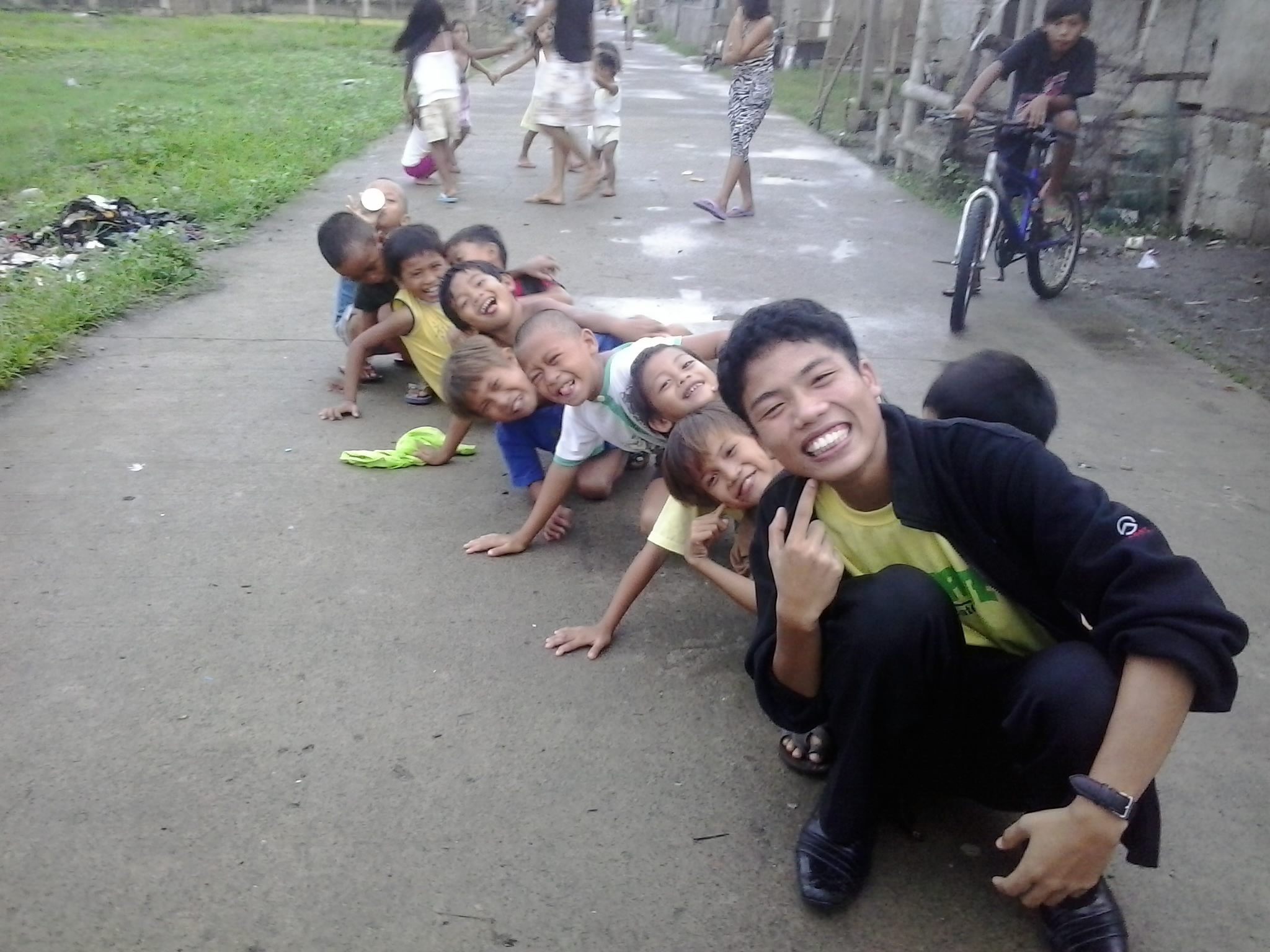
26 children participated in the diagnostic tests, which took place either in a small house of one of the residents, or by the way side. Some action songs and games were also used to assess the students’ ability to follow instructions and styles of learning.
We found that preparatory-grade pupils have difficulty in coloring the drawing sheets and in identifying the colors. Out of the 10 elementary-grade pupils aged 7-9, 7 had difficulty in reading. For the 10-13 year olds, lessons in correct pronunciation, reading comprehension, and vocabulary will be appropriate. We will now develop a curriculum appropriate for the community.
We had been in touch with this community some months back when they were first flooded out. Then we had informal gatherings with the children and teens telling them stories, facilitating games, and teaching them action songs. Some of us were then sent to the Goducate Training Center in Iloilo for a spell of training. On our re-establishing contact with the community, one mother said, “Before, you would look for these children. But now they are coming to you”.
We intend to bring in the mothers as our partners in the literacy program because they know better than us their children’s study habits and school performance. The mothers are busy with their household chores, but we intend to do a household survey to give us a glimpse of the socio-economic profiles of the families there, and then to plan a schedules so that the mothers can take an active part in their children’s education.


